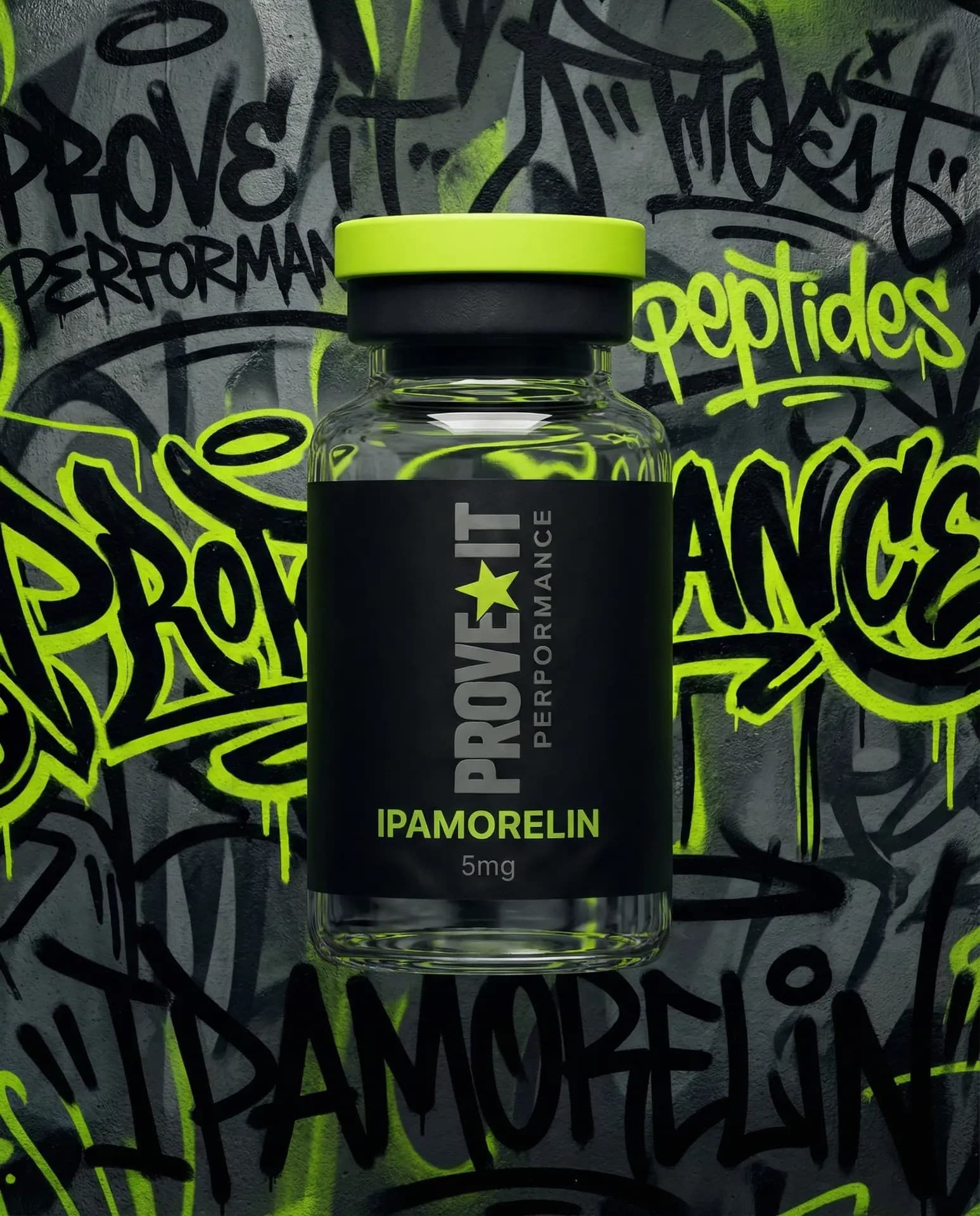
Ipamorelin is a synthetic pentapeptide studied in research as a selective growth hormone secretagogue receptor (GHSR) agonist. It is catalogued under CAS number 170851-70-4 with a molecular formula of C₃₈H₄₉N₉O₅ and a molecular weight of 711.9 Da. The compound belongs to the growth hormone releasing peptide (GHRP) class and is distinguished in the published literature for its selectivity profile relative to earlier GHRPs. It is supplied as a lyophilized powder for laboratory research and is intended solely for research purposes, not for human use.
Within the GH secretagogue research category, ipamorelin occupies a well-characterized position as a synthetic ghrelin receptor agonist with documented selectivity at the GHSR-1a receptor. This selectivity is the primary reason ipamorelin is studied as a distinct compound rather than as a variant of earlier-generation secretagogues, and it makes ipamorelin a common reference compound in research examining the GH axis and pulsatile secretion models.
What is the molecular structure of ipamorelin?
Ipamorelin is a pentapeptide — a five-amino-acid sequence — with a molecular weight of 711.9 Da and the molecular formula C₃₈H₄₉N₉O₅. The five-residue sequence incorporates non-standard amino acids, including a D-amino acid and a non-natural aromatic residue, which distinguish it from peptides assembled exclusively from the 20 standard L-amino acids. These structural modifications contribute to the compound's resistance to proteolytic degradation in research model systems, a property that affects its utility in in vitro assay work.
The compound is produced through solid-phase peptide synthesis followed by purification, and the research-grade material is characterized to a purity specification of 99.5% by HPLC. The lyophilized form is a white to off-white powder. As a relatively small peptide by molecular weight, ipamorelin's structural compactness contributes to its stability profile relative to larger peptides in this research class.
What receptor does ipamorelin target?
Published research characterizes ipamorelin as a selective agonist at the growth hormone secretagogue receptor 1a (GHSR-1a), which is also known as the ghrelin receptor. GHSR-1a is a class A G-protein-coupled receptor (GPCR) expressed in the pituitary gland and hypothalamus, among other tissues. Its endogenous ligand is ghrelin, an acylated peptide hormone involved in GH secretion and energy regulation signaling. Ipamorelin is studied as a synthetic agonist at this receptor.
The receptor's downstream signaling involves Gq/G11 protein coupling, which activates phospholipase C and generates second messengers including IP3 and DAG. This pathway leads to intracellular calcium mobilization, which is the proximal signal studied in the context of GH release from pituitary somatotrophs in research models. Understanding GHSR-1a pharmacology is central to interpreting ipamorelin's experimental profile, since the receptor's distribution and signaling cascades determine where and how the compound's effects manifest in preclinical systems.
How does ipamorelin's selectivity profile compare to first-generation GH secretagogues?
The GHRP class includes earlier compounds — GHRP-6 and GHRP-2 among them — that activate GHSR-1a but also elicit responses at other receptors, producing effects on cortisol, prolactin, and ACTH alongside GH secretagogue activity. Published research establishes that this off-target receptor activity is a confounding variable in experiments attempting to isolate GH axis mechanisms.
Ipamorelin's selectivity profile is the defining characteristic that differentiates it from earlier GHRPs in the research literature. Studies document that ipamorelin activates GHSR-1a with substantially less off-target activity at the receptors responsible for cortisol and ACTH release compared to GHRP-6. This selectivity makes ipamorelin a more interpretable research tool in studies where researchers need to examine GH secretagogue mechanisms without simultaneously inducing corticotropic axis activity.
Property
GHRP-6 (first-generation)
Ipamorelin
Receptor target
GHSR-1a + others
GHSR-1a selective
Cortisol/ACTH effect
Documented in research
Substantially reduced
Research utility
Multi-pathway activation
GH axis isolation
Molecular weight
873.0 Da
711.9 Da
Structure
Hexapeptide
Pentapeptide
The selectivity documented in published research is the primary reason ipamorelin became a standard reference compound for GH secretagogue research. Prove It Performance does not make any therapeutic or outcome claims regarding ipamorelin; it is studied solely for its receptor pharmacology and GH axis signaling effects in research settings.
What does published research describe about ipamorelin's mechanisms?
Published research on ipamorelin focuses on its activity at GHSR-1a and the downstream pituitary signaling cascade. Receptor binding studies characterize ipamorelin's affinity for GHSR-1a and its agonist efficacy relative to ghrelin and other synthetic ligands. Downstream, GHSR-1a activation through Gq/G11 signaling is studied in pituitary somatotroph cell culture models for its effects on intracellular calcium and GH secretion.
Research also examines the pulsatile nature of GH release in response to ipamorelin, since GHSR-1a agonism in physiological systems produces episodic rather than continuous secretagogue activity. The amplitude and frequency of GH pulses in preclinical models are documented parameters in ipamorelin research. Hypothalamic signaling interactions — specifically the interplay between ghrelin receptor signaling and somatostatin-mediated inhibition — are an active area of investigation in the GH secretagogue literature, and ipamorelin's selectivity makes it a useful probe for dissecting these regulatory circuits.
Why is ipamorelin frequently studied alongside CJC without DAC?
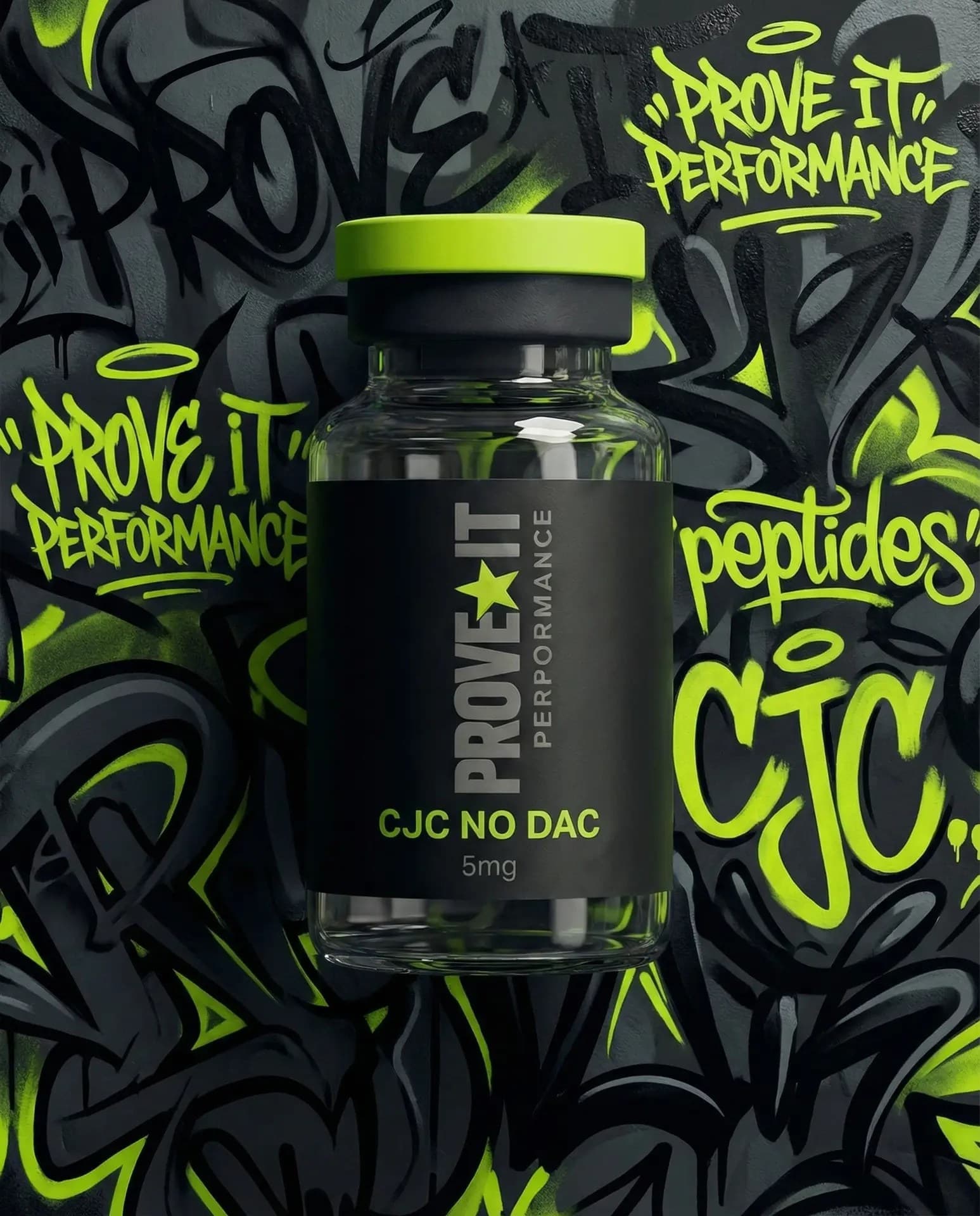
Ipamorelin and CJC without DAC (also catalogued as Modified GRF 1-29) are frequently used together in research because they act through complementary, non-overlapping mechanisms. Ipamorelin acts on GHSR-1a, the ghrelin receptor, while CJC without DAC acts on the GHRH receptor (GHRHR) in the pituitary. These are two distinct receptor pathways that both converge on GH secretion from somatotrophs, but through separate upstream signaling cascades.
Published research examines combined GHSR-1a and GHRHR stimulation because the two pathways appear to have an amplifying relationship in preclinical models — co-activation produces a GH release response that is larger than either stimulus alone. This synergistic interaction has made the ipamorelin-plus-CJC combination one of the most studied pairs in GH secretagogue research, and it is why both compounds appear together frequently in the performance peptide research literature. For researchers examining GH axis biology, understanding this receptor pairing is important for designing experiments that isolate individual pathway contributions versus combined signaling effects.
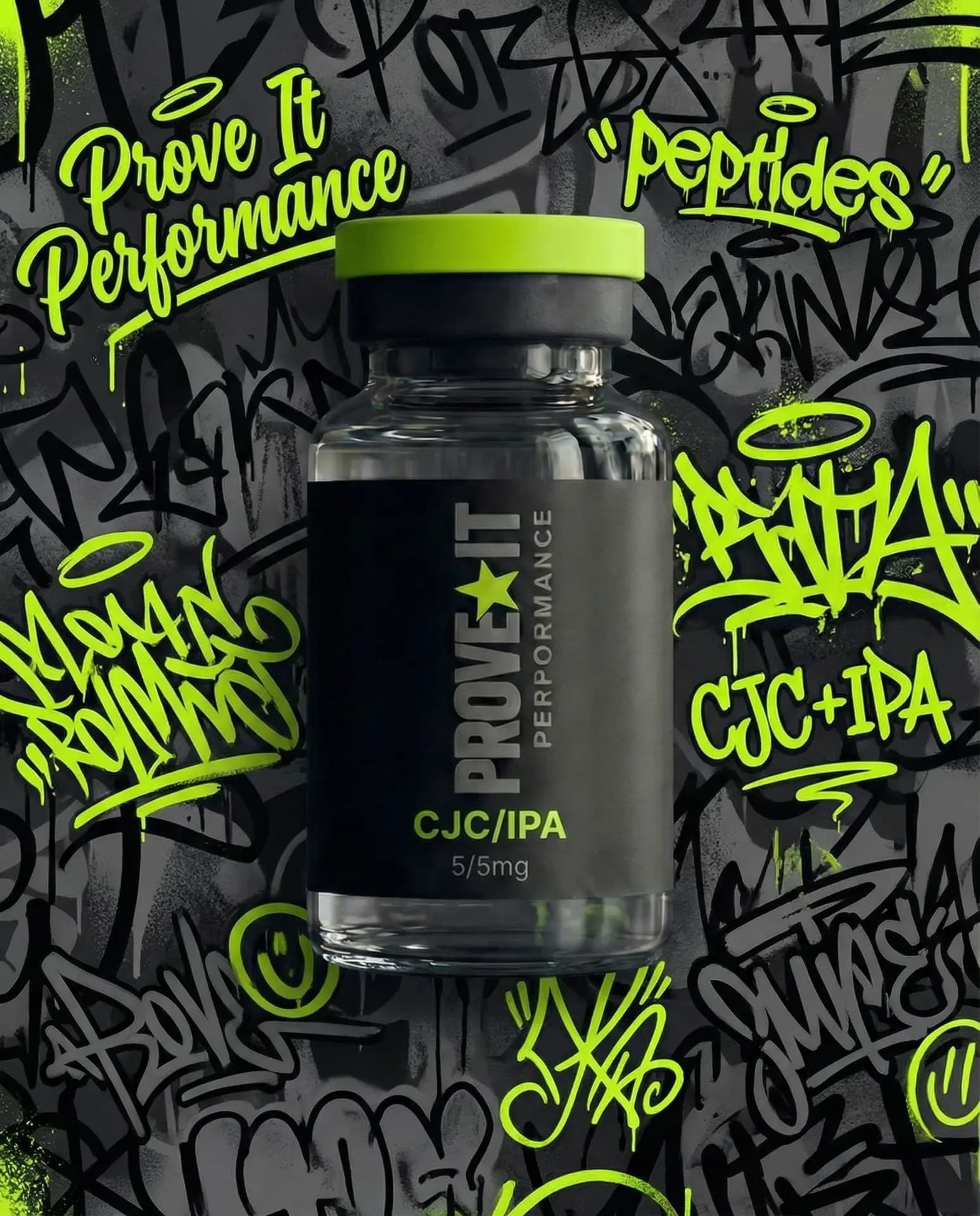
Prove It Performance maintains both ipamorelin and CJC without DAC as individual compounds, as well as a CJC/IPA blend for research applications that call for both in a single preparation. All are intended for laboratory research use only. For a separate but related class of incretin-axis GPCR ligands, see the analytical QC of GLP-1 analogs, which covers what characterizing a modified peptide of that class requires.
What is known about ipamorelin's stability and handling in research?
Ipamorelin is supplied as a lyophilized powder and is stored at −20°C to preserve structural integrity. As a synthetic pentapeptide, it is susceptible to degradation through oxidation and hydrolysis under suboptimal storage conditions. Research handling practices that support reproducibility include maintaining cold storage, minimizing freeze-thaw cycling of prepared solutions, and protecting the lyophilized material from moisture and light.
The compound's relatively small molecular weight (711.9 Da) makes it somewhat more stable than larger lipidated peptides in this research category. This article does not provide reconstitution or preparation instructions; handling protocols are determined by the researcher in accordance with their experimental requirements and applicable regulations.
How does Prove It Performance source ipamorelin?
Prove It Performance supplies ipamorelin as a research-grade compound held to a purity specification of 99.5% by HPLC, with mass spectrometry identity confirmation. A batch-specific Certificate of Analysis documenting both the HPLC purity quantification and mass spectrometry results is on file for each batch. For guidance on qualifying a research peptide supplier, see research peptide supplier qualification, and for reading the chromatogram behind a reported purity figure, see reading an HPLC chromatogram.
Researchers can review specifications, available sizes, and pricing on the ipamorelin product page, or browse the full research compound catalog at all compounds. For the complementary GHRH receptor agonist in this research class, see our sermorelin acetate research overview. All material is intended for laboratory research use only.
This compound is a research chemical intended for laboratory and scientific research purposes only. It is not a drug, supplement, or food, and is not intended to diagnose, treat, cure, or prevent any disease. Prove It Performance does not sell products intended for human use. Researchers are responsible for compliance with all applicable local, state, and federal regulations.
Stay in the loop
New compounds, research updates & exclusive subscriber deals.